
The task of stemming the flow of money to terrorism is complicated by Yemen’s large informal economy and an embryonic financial system, which the State Department noted is “vulnerable to money laundering and other financial abuses — including terrorism financing.”
Still, Yemen is a member of a Middle East and North Africa Financial Action Task Force that combats money laundering and terror financing.
In its report, the FDD suggested that major economies curtail AQAP’s funding in several ways, including the prohibition of ransom payments and pressuring Gulf countries to police donations from charitable organizations. Bogus charities and terror financiers often use such fronts to funnel illicit money to AQAP and other terror groups around the world, the FDD noted.
Among its recommendations, the FDD also said the government of Yemeni President Abdrabbuh Mansur Hadi should end its alliance of convenience with AQAP, given that the two sides are “battlefield allies” at war.
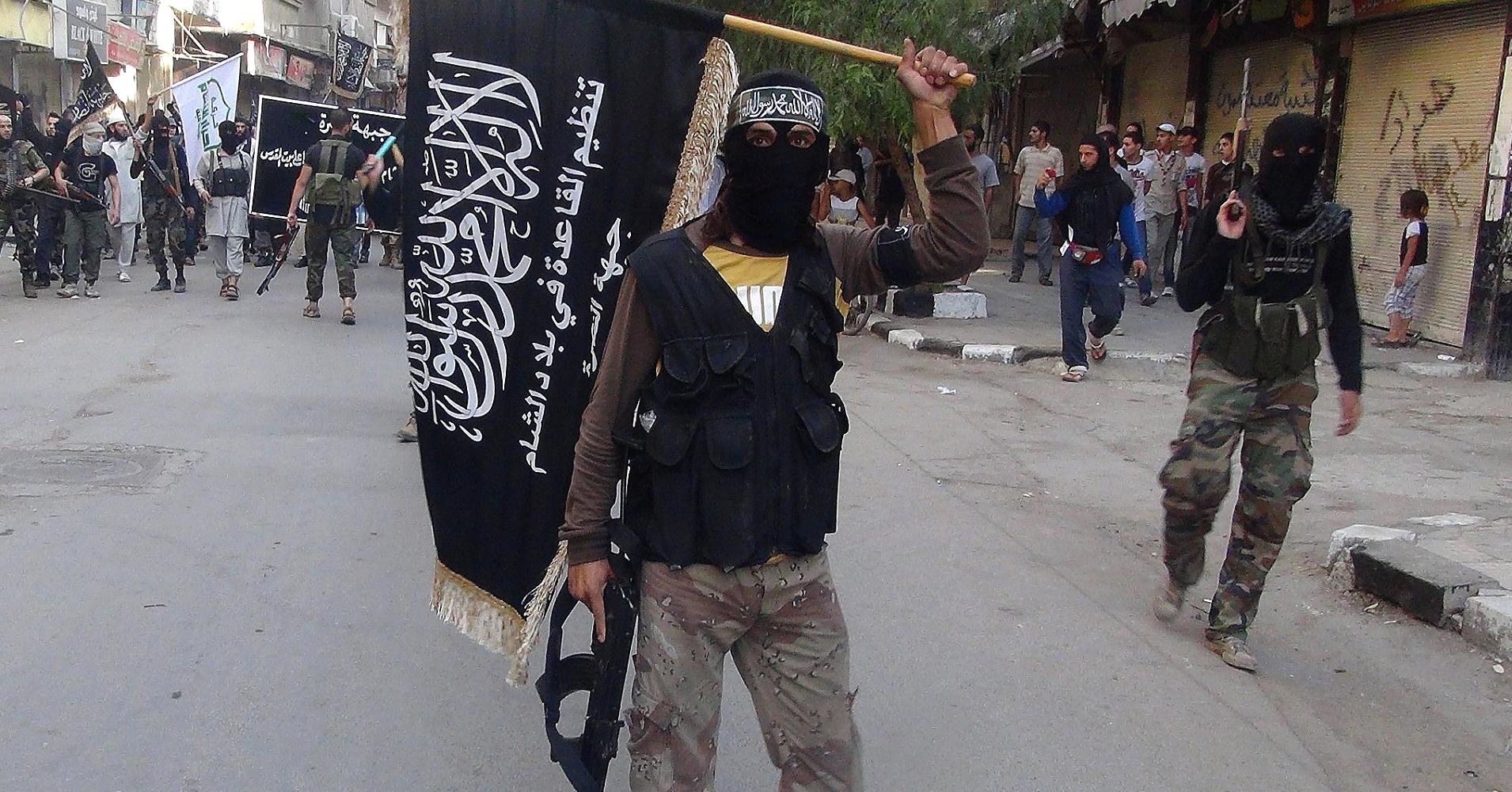
The stakes are high and rising: An analysis by the International Crisis Group said recently that Yemen’s civil war has enabled extremists to build a base of power in the heart of the Middle East. “The Yemeni branch of al-Qaeda (AQ) is stronger than it has ever been,” the group said.
“As the country’s civil war has escalated and become regionalized … AQAP is thriving in an environment of state collapse, growing sectarianism, shifting alliances, security vacuums and a burgeoning war economy,” the ICG wrote. With the country a hotbed of instability, “reversing this trend requires ending the conflict that set it in motion,” the group added.