

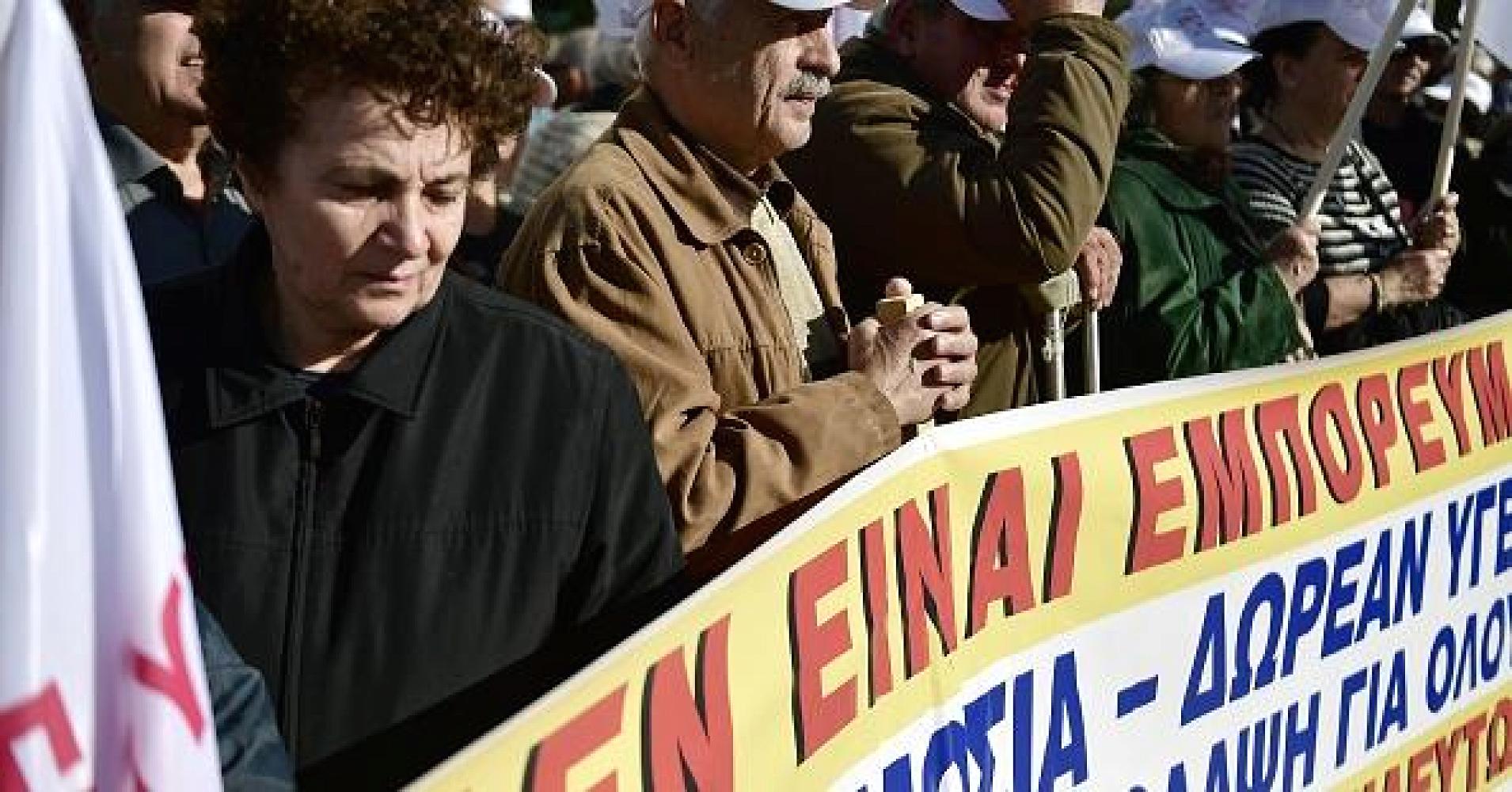
“We don’t dream. We are fine, we continue our lives, we know that we don’t live in extreme poverty. But if you want to learn a second language, if you want to do something for yourself, improving your skills, you can’t or you are very limited,” Eva Pavlopoulo, a 29-year-old student, told CNBC in the tourist-friendly neighborhood of Plaka in central Athens.
Pavlopoulo is currently studying for her second masters degree, hoping it will increase the chances of being employed in the sustainable environment sector. She recently got a job offer with a monthly salary of 1,000 euros ($1,178). Although she will accept, Pavlopoulo will have to continue living with her parents.
Unemployment, and youth unemployment in particular, remain one of the biggest struggles in Greece. In 2016, 47.3 percent of the Greek population aged below 25 was out of work. That’s nearly half of the population and more than two times the average rate across the euro zone.
The one wish that teacher Stathis Nikitopoulos, 38, has for 2018 is for his friends and family, who work in the private sector, to worry less about potentially losing their jobs.
“I work in the public sector and I think I can feel safe about my job, because the previous government has already cut positions in the public sector,” Nikitopoulos, who teaches physical education, told CNBC. “But in the private sector it is different. Most of my friends and family work in the private sector and their salaries don’t go up and unemployment is about 20, 25 percent.”






