
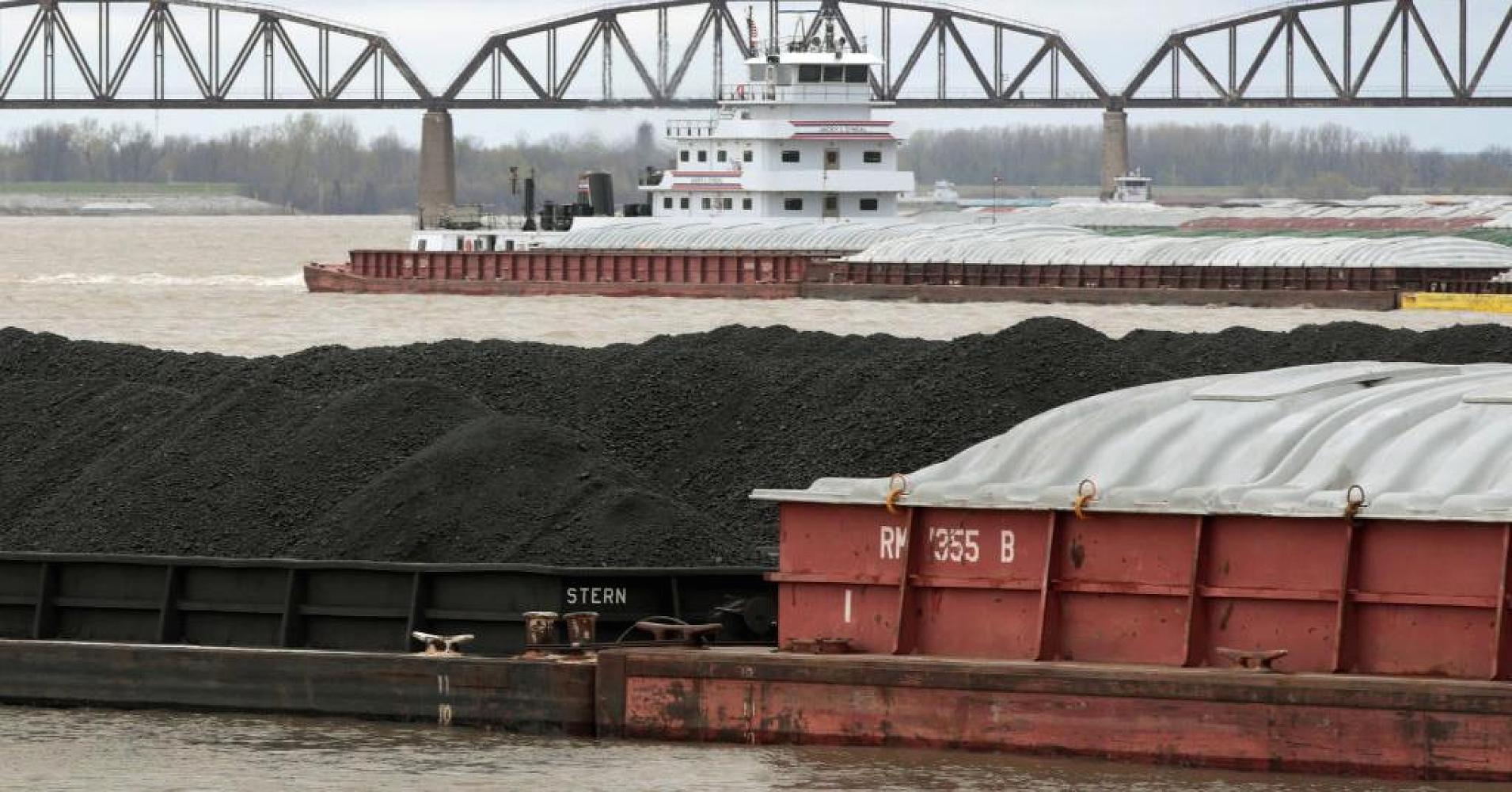
China will require more coal, as the Australian outages far outstrip what is immediately available from the United States.
“The minimum impact over the coming weeks we would expect would be in the region of 14 million tonnes of coal (11.5 million metallurgical, and 2.5 million tonnes thermal),” said Rodrigo Echeverri, head of energy coal analysis at commodities trading house Noble Group, adding that the current estimate was for the outages to last around five weeks.
Shipping data in Eikon shows that around 70 ships are waiting to load coal off the Queensland ports of Abbot Point, Mackay, Dalrymple Bay, and Hay Point.
The outages caused Australian coking coal futures on the Singapore Exchange on Monday to spike by over 25 percent to $197 per tonne, the biggest one-day move ever.
China has recently turned to Russia for more coking coal, with imports rising to over 400,000 tonnes in February from 275,000 tonnes in December.
Mongolia and Indonesia are other potential sources of coking coal for China, three coal traders said. Anthracite coal shipments from North Korea to China, also used as coking coal, have dried up after Beijing ordered an import ban following missile tests of its isolated neighbour.
Overall, traders said it was unlikely that all of China’s near-term demand could be met without Queensland supplies, likely requiring inventory drawdowns, which will push up prices.
“With a significant amount of the world’s premium hard coking coal now marooned onsite, prices are likely to continue to push higher,” ANZ said.