
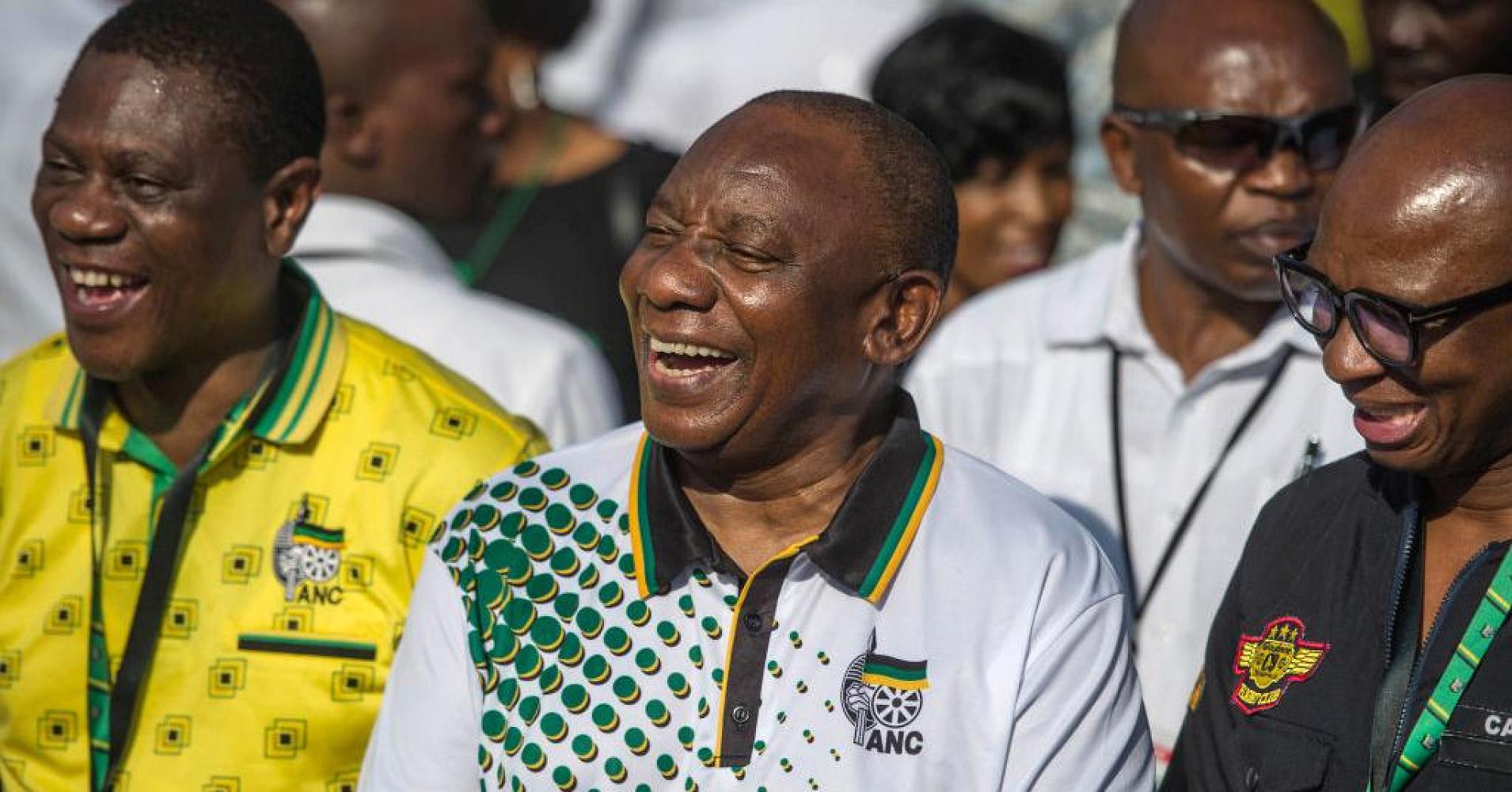
South Africa’s ruling African National Congress (ANC) elected a new leader in businessman-turned-deputy president Cyril Ramaphosa earlier this month, with his predecessor President Jacob Zuma standing down from the position after two five-year terms.
The reshuffle at the top of the ANC has a broader significance, with the party leader position viewed as a shoo-in to the presidency of the country. South Africa’s next general election is scheduled to take place in 2019.
Imad Mesdoua, senior consultant for Africa at consultancy Control Risks, told CNBC that Ramaphosa is viewed as “more investor friendly (and) reform-oriented.”
This will likely come as a relief to investors as the country’s fundamentals have taken a beating in 2017, with Finance Minister Malusi Gigaba slashing the country’s economic growth outlook for the year to 0.7 percent, down from 1.3 percent.
But, caution is wise, according to Francois Conradie, head of research at South Africa-based NKC African Economics. “There is reason to fear that the corruption and misspending that have characterized (Zuma’s) time in office will accelerate over the next two years as the patronage networks make the most of the current environment,” he said.