
Several activists were detained in Moscow on Thursday as they prepared to submit signatures they have collected to protest arbitrary detentions and torture of gay men in Russia’s Chechnya region.
The abuse was first reported in April by the independent newspaper Novaya Gazeta, which said about 100 suspected gay men were rounded up and tortured, and at least three were killed. The Associated Press separately interviewed two Chechen men who spoke of torture and corroborated the reports.
Human Rights Watch has also confirmed the reports and told CBC News last month that it believed the number of men was closer to 200, and that, even after the gay men were returned to their homes, Chechen authorities were sometimes encouraging their family members to kill them.
LGBT activist Igor Yasin said five people were detained Thursday morning outside the Prosecutor General’s Office in Moscow.
According to Reuters reports, the activists were carrying boxes with the words, “Justice for the Chechen 100” written on them. The boxes were meant to symbolize the people who had signed an online petition to protest the persecution. They also carried a USB stick with the signatures.
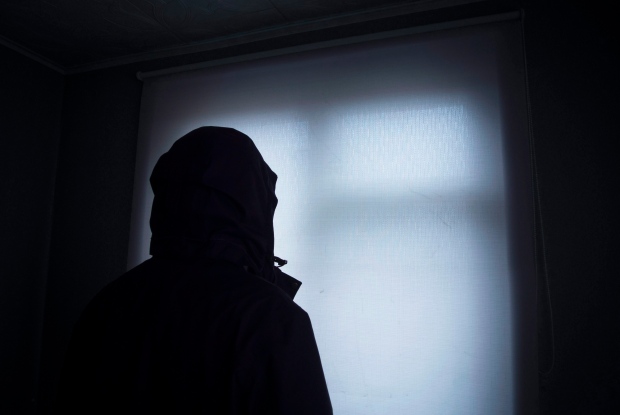
Anzor, a gay man from Chechnya, spoke to The Associated Press in April about the persecution happening there on condition that he not be further identified out of fear for his safety and that of his family. (Nataliya Vasilyeva/Associated Press)
The New York-based online activism group Avaaz, which helped collect the signatures worldwide, said in a statement that one of the people detained Thursday morning was an Italian activist. Avaaz’s campaign director, Bert Wander, described the detentions as a “blatant attempt by Russia to intimidate those standing up for gay people [which] will only draw more global attention to the horrors unfolding in Chechnya.”
Chechnya’s leader, Ramzan Kadyrov, has denied the persecution is happening.
President Vladimir Putin last week assured Russia’s human rights ombudswoman, Tatyana Moskalkova, that he would speak with law enforcement officials about the reported torture of gay men.
Moskalkova has asked for a task force to be formed to investigate the treatment of gays in Chechnya, a predominantly Muslim region.
Calls for Canada to help
In Canada, rights groups, as well as members of both the Conservative and NDP opposition parties, have called upon the Liberal government to grant emergency asylum to persecuted Chechen men and their families.
In a statement to CBC News last month, Immigration, Refugees and Citizenship Canada said it “cannot speculate on any future policy.”
Without mentioning Chechnya specifically, the department said that LGTBQ people in danger are among the vulnerable groups Canada resettles. However, it also said that to be considered for resettlement in Canada, asylum-seekers need to be outside their country of origin.

In this photo taken Wednesday, April 19, 2017, Russian President Vladimir Putin, left, meets with Chechnya’s regional leader Ramzan Kadyrov in the Kremlin. Kadyrov told the president not to believe the ‘provocative’ articles reporting detentions and killings of gay men in Chechnya. (Alexei Druzhinin/Sputnik, Kremlin Pool Photo via Associated Press )
Rights groups say that some of the persecuted gay men have managed to flee the region of Chechnya, but are still in Russia.
In a statement issued April 15, Canadian Foreign Affairs Minister Chrystia Freeland called the reports of persecution and abuse “reprehensible” and called on Russia to investigate and “immediately ensure the safety of all persons in Chechnya who may be at risk due to their sexual orientation.”
Prime Minister Justin Trudeau has not spoken out personally on the issue — something Human Rights Watch says would be helpful in putting further global pressure on Russia to act.