

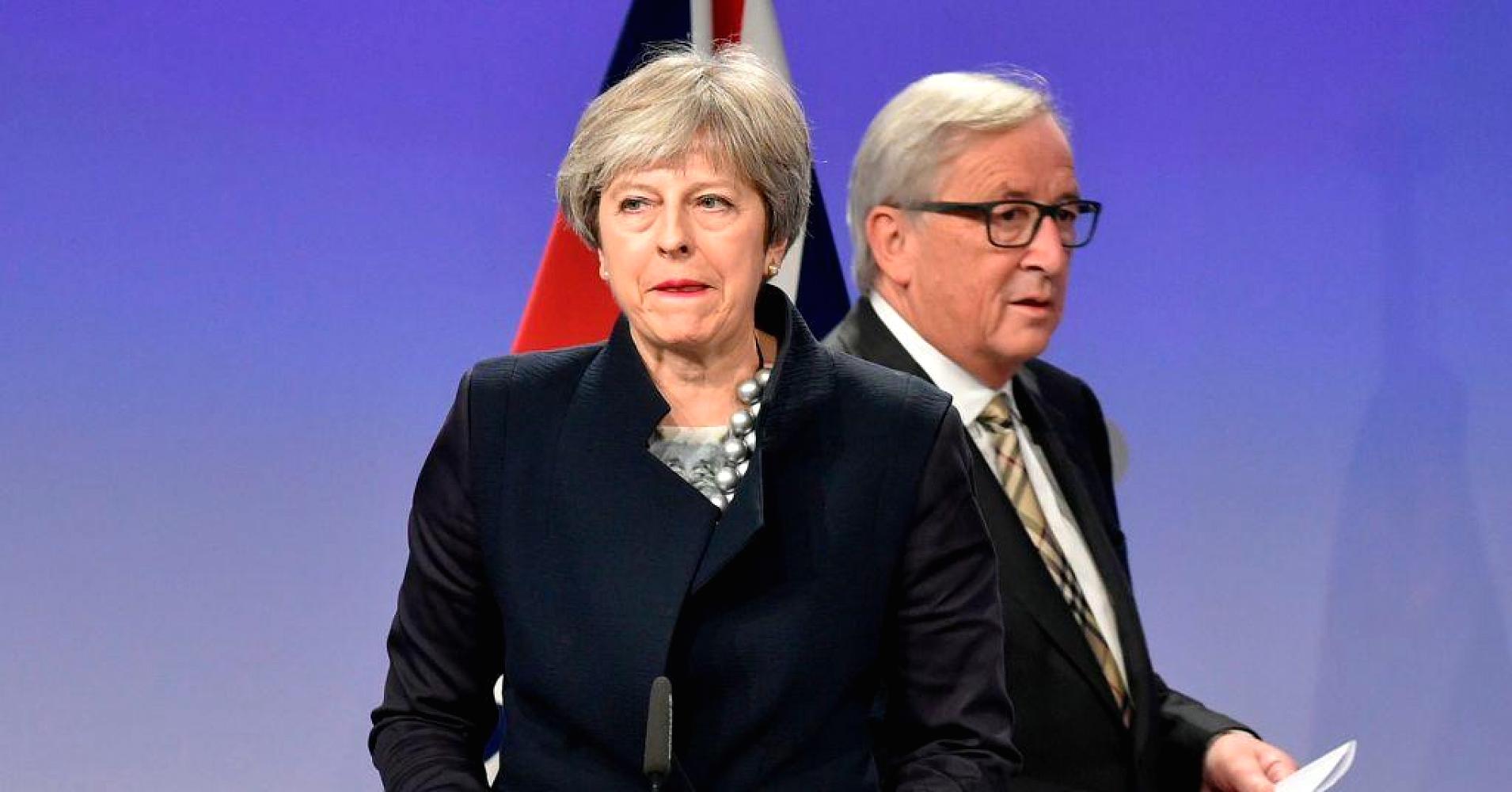
Chris Grayling, May’s transport minister, told the BBC May would offer more detail, including on the Irish border, after the EU set out in a draft withdrawal agreement a backup plan that effectively would see the UK province of Northern Ireland remaining part of the EU’s customs union.
That could mean that Northern Ireland would have different rules from the rest of the United Kingdom, something May said on Wednesday “no UK prime minister could ever agree to”.
Challenged to come up with an alternative solution, May is expected to set out again how technology could help with any new customs procedures, and a proposal of “managed divergence” from some EU rules, a plan derided by the bloc as “pure illusion”.
The speech, agreed on Thursday by her top team of ministers, themselves deeply divided on how to unravel more than 40 years of union, has been billed by aides as “a real step forward”.
But the combative tone from the EU, with doubt cast even over an agreement on the relatively simpler transition period after Britain leaves in March next year, has upped the ante.
Brexit minister David Davis sent concerned Conservative lawmakers a letter repeating that Britain would not pay exit fees, the so-called divorce bill, if there was no agreement.
Some British politicians said it was impossible to settle the issue of the Irish border without first discussing the future relationship. They blamed the sequencing of the talks set up by the EU — first to settle the divorce, then transition, and lastly to come to agreement over future trading ties.
“I think that now is the time for her to show that she (May) has got steel and that we are not prepared to put up with this any longer,” David Jones, a Conservative lawmaker and former junior Brexit minister, told Reuters.
The implication that May has struggled so far to assert herself in the negotiations is echoed by the opposition Labour Party, which announced this week that it would support remaining in a customs union with the EU.
“Theresa May must now prove once and for all that she has the authority and vision to negotiate Britain’s exit from the European Union,” Labour’s Brexit policy head Keir Starmer said in a statement.






