

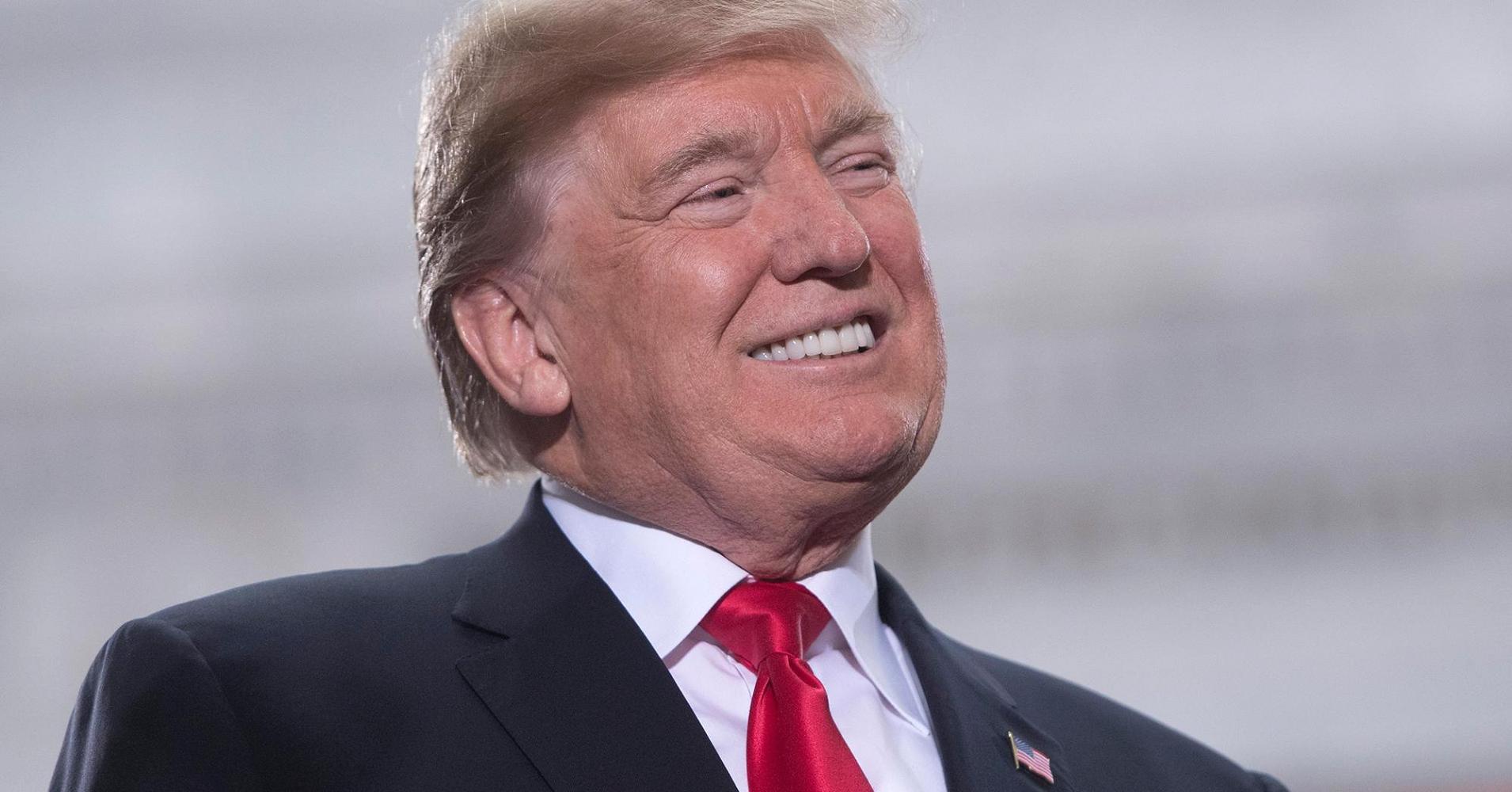
Conferring with the political and business leaders attending the forum would appear to contrast with the core messaging of Trump’s presidential campaign. Two of the prominent officials attending this year’s forum — Goldman Sachs CEO Lloyd Blankfein and German Chancellor Angela Merkel — appeared in a scathing ad at the end of the Trump campaign in which he pledged to root out corruption in the global “establishment” to help overlooked Americans.
Both Blankfein and JPMorgan Chase CEO Jamie Dimon on Wednesday praised Trump’s effect on the economy.
A desire for presidents to be seen as looking out for the interests of typical Americans has generally kept them away from the forum.
“Since the late 1990s, globalization has left a bad taste in the mouth of a lot of people in the United States,” said H.W. Brands, a presidential historian and professor of history at the University of Texas at Austin. “Even presidents broadly in favor of it think it would make for bad photo ops, to get photographed in this place, in the den of globalization.”
Bill Clinton was the first and only sitting president to go to Davos. Presidents Barack Obama, George W. Bush or George H.W. Bush never made the trip, at least partly due to its reputation as a haven for wealthy elites.
Obama, known for populist pitches of his own and criticism of Wall Street “fat cats,” came into office during the global financial crisis. The younger Bush also had tense relationships with some European allies over his handling of the Iraq War.
Mnuchin recently attempted to distance Trump from the perception that the forum was for globalists, saying he “didn’t realize it was the global elite” who attended Davos.
The goals of the economic forum contrast with the nationalism and protectionism Trump has preached as a candidate and in the White House. The theme of this year’s event is “Creating a Shared Future in a Fractured World,” and one of its goals is to create a “shared narrative to improve the state of the world.”
The president blamed free trade deals such as the North American Free Trade Agreement for blue-collar job losses. He questioned why the U.S. spends money on wars overseas while its infrastructure suffers and hurts citizens at home. He pulled out of the landmark Paris climate accord, arguing he was elected to represent the people of Pittsburgh, not Paris.
All of those arguments are core pieces of his appeal to voters who helped put him in the White House. Yet, experts believe the trip to the epicenter of globalization may not damage Trump with his base at home.
Most opinion polls have consistently shown roughly 40 percent of Americans support Trump, while at least 50 percent oppose him. Twists and turns in the Russia election meddling investigation, the president’s tweeted nuclear threats to North Korea and his widely criticized comments about violence at a white nationalist rally have done little to change voters’ opinions.
“A lot has happened in the past year. It hasn’t fundamentally altered the calculus that he has a pretty solid third of the country behind him and a pretty solid majority of the country deeply opposed to him,” said Matt Dallek, a political historian and associate professor at George Washington University’s Graduate School of Political Management.
Additionally, Trump has already faced, and appeared to overcome, concerns about being too close to immense wealth after running a populist campaign. He heard some criticism over his Cabinet choices: for instance, Cohn was Blankfein’s right-hand man at Goldman and Mnuchin was a partner at the elite firm. Several other wealthy individuals, including Commerce Secretary Wilbur Ross and Education Secretary Betsy DeVos, serve in the president’s Cabinet.
Trump shrugged off those concerns by saying he would rather have successful people helping him make economic decisions.
Bremmer also notes that bipartisan U.S. lawmakers have often attended the World Economic Forum with little apparent blowback. GOP Sen. Bob Corker of Tennessee, for instance, was in Davos on Wednesday.






