

Pierre Teyssot | AFP | Getty Images
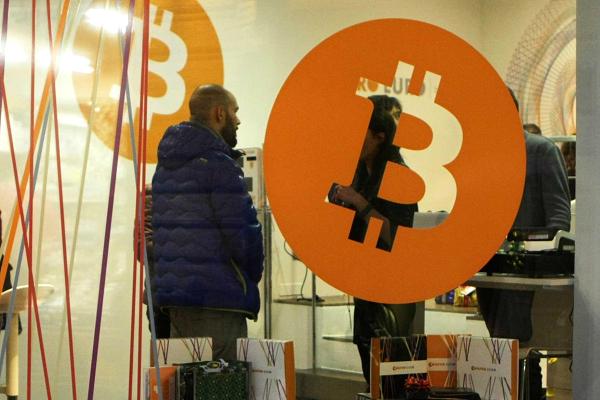
A Bitcoin crypto-currency shop in Rovereto, Italy.
When Krebs purchased solar lights worth $78.27 from the site, Overstock instructed him to send 0.00475574 in bitcoin to their address. Instead of sending bitcoins, Krebs sent 0.00475574 in bitcoin cash, which Overstock accepted. This meant he paid only $12.02 for the lights.
He requested a refund, which Overstock gave back in bitcoin worth $77.80 and not bitcoin cash. “A dishonest customer could have used this bug to make ridiculous sums of bitcoin in a very short period of time,” Krebs wrote.
In a statement to Krebs, Overstock said:
“We were made aware of an issue affecting cryptocurrency transactions and refunds by an independent researcher. After working with the researcher to confirm the finding, that method of payment was disabled while we worked with our cryptocurrency integration partner, Coinbase, to ensure they resolved the issue. We have since confirmed that the issue described in the finding has been resolved, and the cryptocurrency payment option has been re-enabled.”
Coinbase said the issue was “caused by the merchant partner improperly using the return values in our merchant integration API,” and noted that no other Coinbase customer had this problem. Bitcoin experienced a meteoric rise in 2017, rocketing to valuations of more than $20,000 after starting the year at $800, though it remains extremely volatile.
Like this story? Like CNBC Make It on Facebook!
Don’t miss: Billionaire Mark Cuban says the Dallas Mavericks will accept bitcoin next season
This article originally appeared on The Verge.
Video by Luqman Adeniyi





