

General Motors Co, Toyota Motor Corp and Volkswagen AG have already outlined aggressive plans to expand their electric vehicle offerings and target consumers who want luxury, performance and an SUV body style – or all three attributes in the same vehicle.
Mainstream auto makers are reacting in part to pressure from regulators in China, Europe and California to slash carbon emissions from fossil fuels. They also are under pressure from Tesla Inc’s success in creating electric sedans and SUVs that inspire would-be owners to line up outside showrooms and flood the company with orders.
GM said last year it would add 20 new battery electric and fuel cell vehicles to its global lineup by 2023, financed by robust profits from traditional internal combustion engine vehicles in the United States and China.
GM Chief Executive Mary Barra has promised investors the Detroit automaker will make money selling electric cars by 2021.
Volkswagen said in November it would spend $40 billion on electric cars, autonomous driving and new mobility services by the end of 2022 – significantly more than when it announced two months earlier it would invest more than 20 billion euros on electric and self-driving cars through 2030.
Toyota is racing to commercialize a breakthrough battery technology during the first half of the 2020s with the potential to cut the cost of making electric cars.
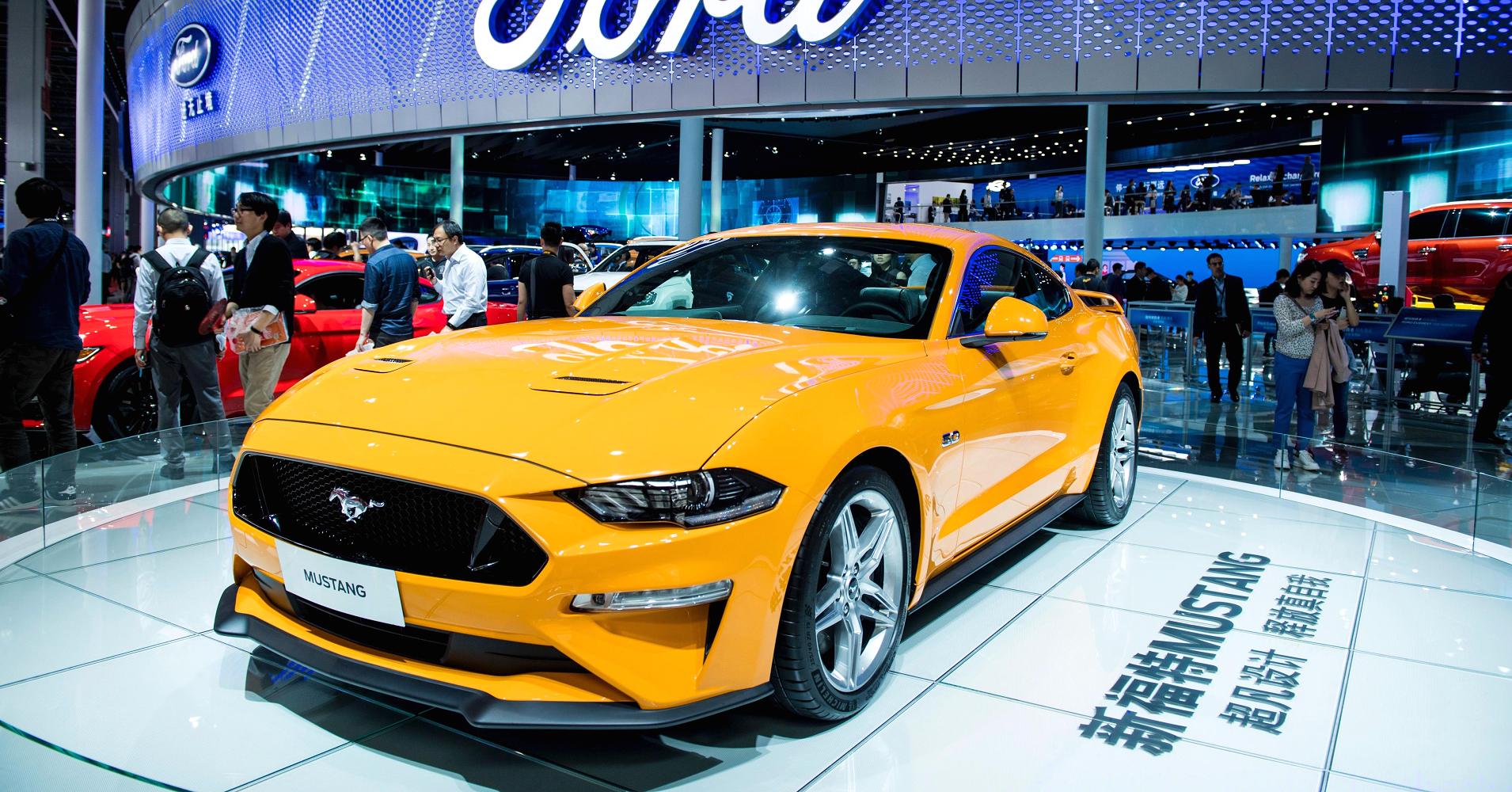
Ford’s additional investments in electric vehicles contrasted with many of the vehicle launches at the Detroit show which featured trucks and SUVs. On Sunday evening, Daimler AG unveiled its new G-class SUV, a bulky off-roader, in an abandoned movie theater in downtown Detroit once used as a set for the movie “8 Mile.”
Daimler CEO Dieter Zetsche hinted to Former California Gov. Arnold Schwarzenegger during an exchange on stage next to the G-class that Daimler would someday have an electric version of the vehicle.






