

#1 Negotiate prices
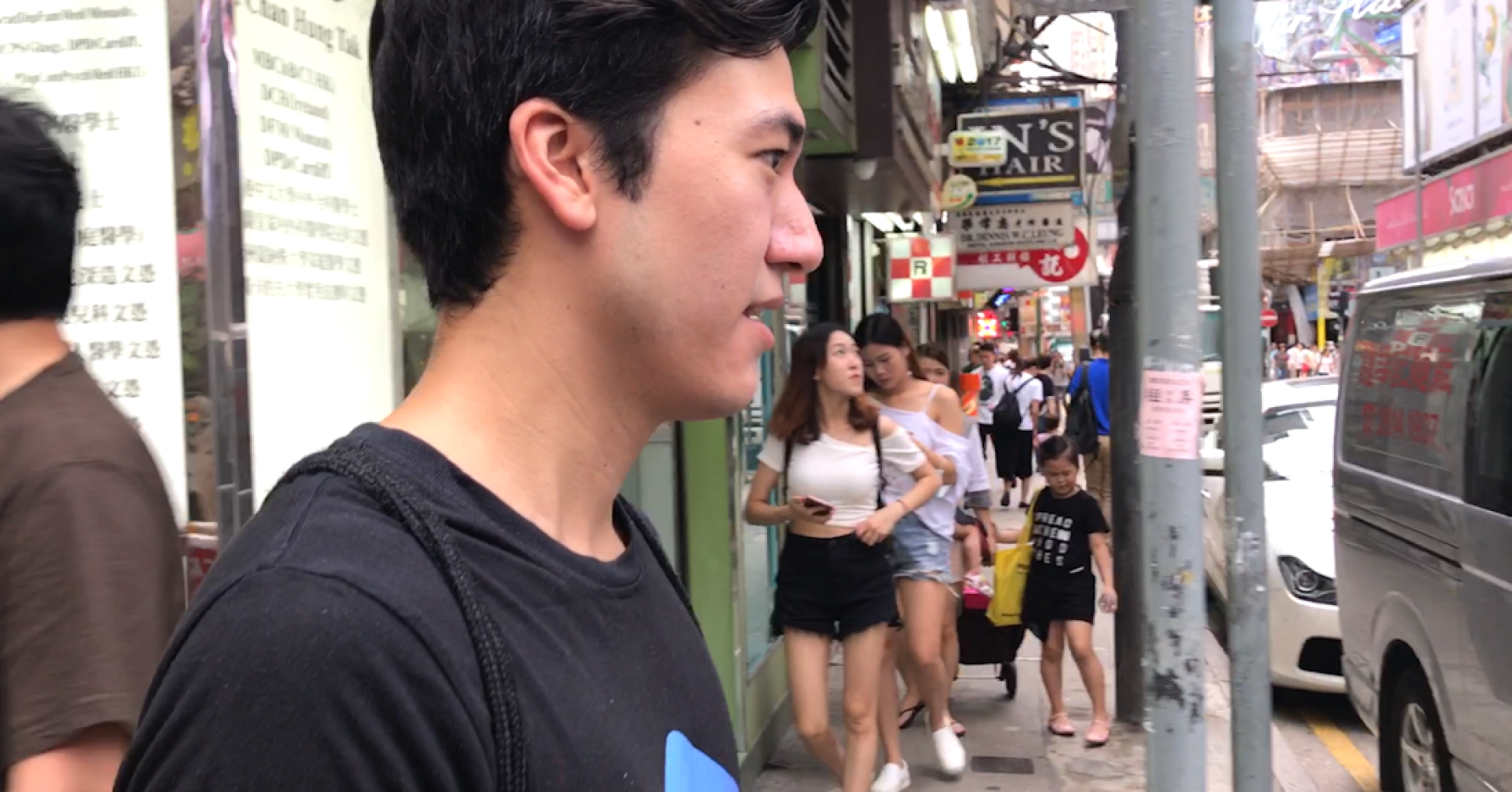
Schwartz said if you’re willing to stay longer-term, you can often get a better discount. “I went on Airbnb and tried to negotiate a lower price since I was staying long-term,” he said.
#2 Be flexible
But sometimes long term doesn’t work out. Within one month, Schwartz said he’s lived in four different housing arrangements since arriving to Hong Kong. “I’m basically living out of a suitcase,” he admitted.
If he finds a better deal, he picks up and moves. For the hostel he was staying at when talking to CNBC — which resembled a laundromat — he was paying between $20 to $30 per night, he said.
#3 Find a side hustle
Schwartz has booked himself for several modeling gigs that gets him paid. “It provides great flexibility for me and it doesn’t require much time,” he said. “I’m able to get cash-flow in here, and there.”
#4 Embrace local, cheap food
Burgers might not sound like a luxury for most, but for Schwartz, it’s currently, “out of the question.”
He said embracing local cuisine has helped him survive in Hong Kong.
“Even if you can’t read the menu — and I have trouble reading the menu with my limited Chinese — I just point and say, ‘hey I want that noodle dish’, and be happy with what I get.”
#5 Forget about a co-working space
Schwartz said he’s been kicked out of cafes after staying too many hours. Now, he uses public libraries which offer a high-speed internet connection.
Co-working spaces are “out of the question” as they are too costly, he said.
#6 Ditch the gym membership
“I’m not going to pay $200 for a gym membership,” he said. Instead, he uses his own body weight and finds local parks and even public gyms with free classes.
#7 Avoid unnecessary costs
Buying bottled water from time to time may seem like an innocent expense, but Schwartz warned against that. “To save on those costs, I bought a water filter so I could just use the tap,” he said.






