
Tuesday marks Rotary International’s fifth annual World Polio Day, co-hosted by the Bill and Melinda Gates Foundation, and there is much cause for celebration: It is very possible that 2017 may see the end of the wild poliovirus — nearly two years earlier than Bill Gates predicted.
“What we’re looking at now is sort of the endgame of polio eradication,” says Dr. Jay Wenger, who leads the Gates Foundation’s polio eradication efforts. “We are closer than ever, and we’re optimistic that we can see the end of wild poliovirus disease by as early as this year,” he said.
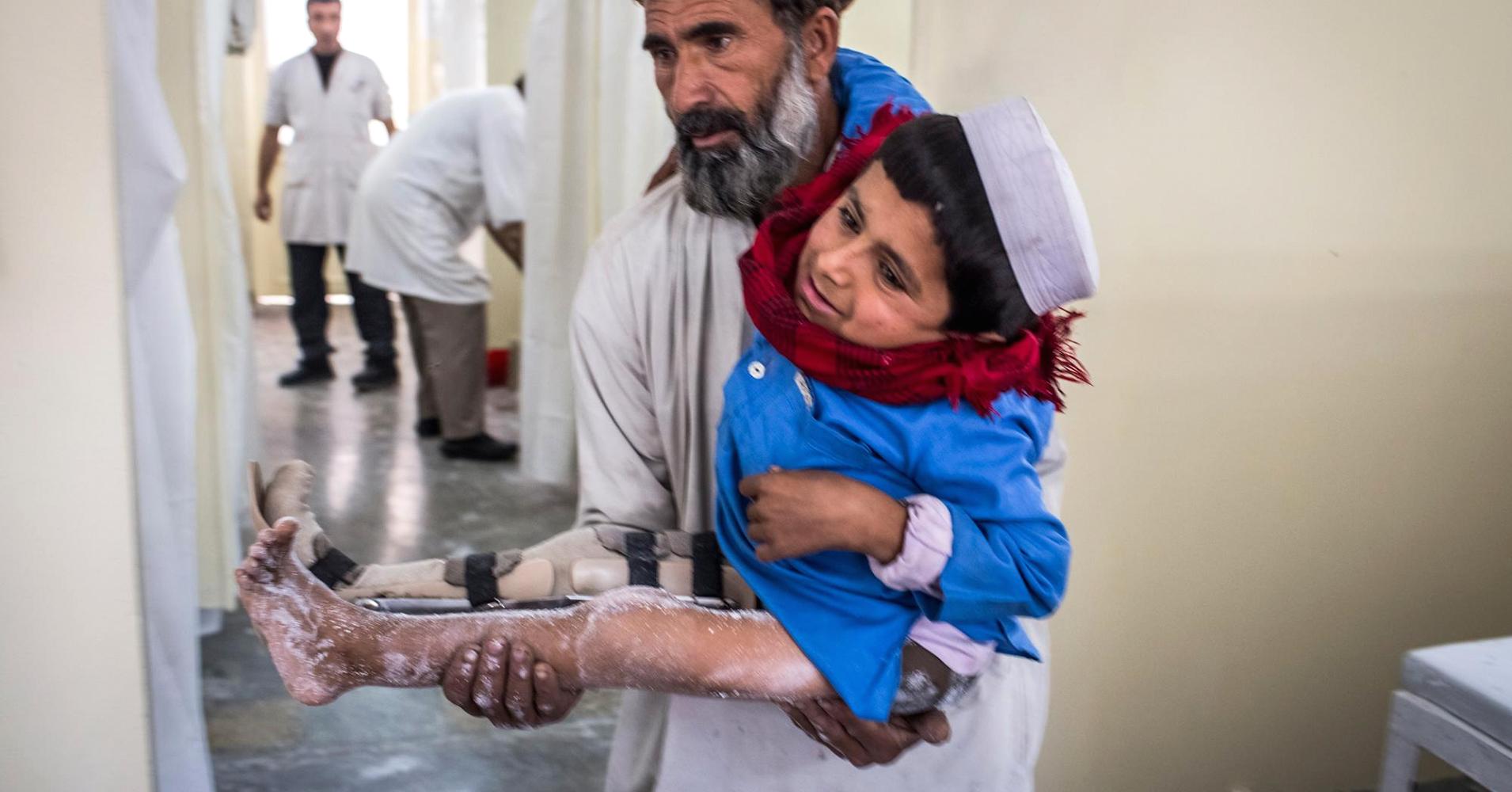
According to Dr. Wenger, there are only 12 known cases of the wild poliovirus in existence today, in just two countries: Afghanistan and Pakistan. “In the last couple of years, we’ve seen unprecedented progress. In 2015 we could only find 74 cases; in 2016 we found 37, and then this year so far we’ve found only 12 in only two countries.”
The reason: a mass immunization effort to orally vaccinate 2.5 billion children in 122 countries, bolstered by the 1988 launch of the Global Polio Eradication Initiative.
Although Dr. Jonas Salk is credited with developing the first safe and effective oral polio vaccine in 1955, there were still about 350,000 cases of polio worldwide 30 years later. “In a lot of places, children don’t always get all the vaccines that they are supposed to, and that’s a chronic problem, said Dr. Wenger.
The virus can only live in people, he says, and it needs new people to infect to keep on spreading and keep on living. “If you make all those people in an area immune, then the virus can”t find new people to infect. So if we can get enough children in an area vaccinated, the virus dies off.”
Since the World Health Assembly’s 1988 launch of the Global Polio Eradication Initiative, the number of cases has been reduced by 99.9 percent, saving more than 13 million children from paralysis. Economic modeling has found that the eradication of polio would save at least $40 billion to $50 billion between 1988 and 2035, mostly in low-income countries.
Bill Gates is hopeful the disease will become the second disease after smallpox to disappear for good. “Progress in fighting polio might be one of the world’s best-kept secrets in global health,” he acknowledged in the foundation’s 2017 annual letter. But soon, he hopes, it will be a secret no more. “If things stay stable in the conflicted areas, humanity will see its last case of polio this year.”