
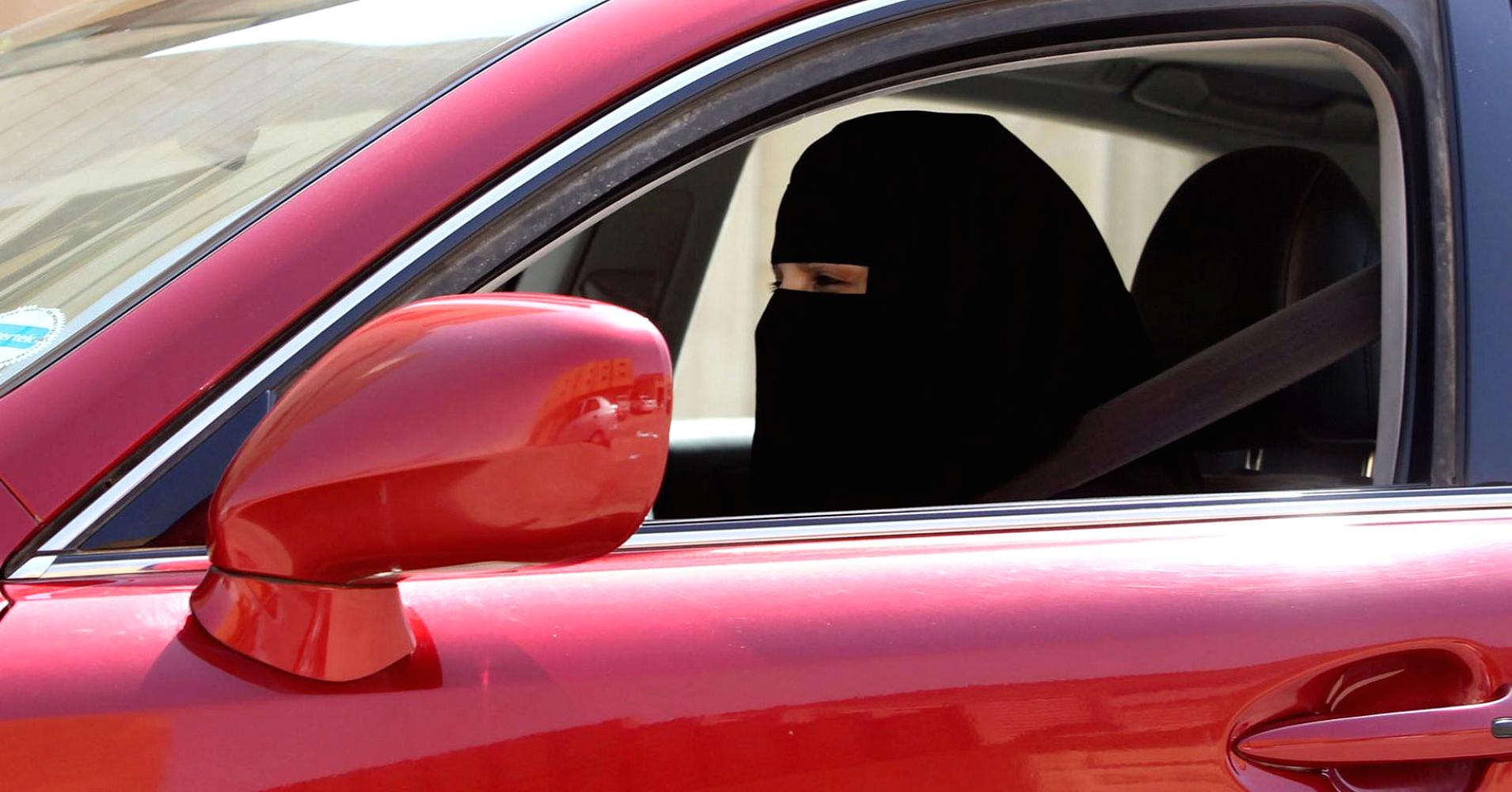
In Saudi Arabia, a top Arab ally of the United States, women are legally subject to a male guardian, who must give approval to basic decisions they make in fields including education, employment, marriage, travel plans and even medical treatment.
Women in the kingdom are also bound by law to wear long robes and a headscarf and require the consent of a male guardian for most legal actions.
Prince Khaled, the ambassador, said women would not need permission from their guardians to get a license or have a guardian in the car and would be allowed to drive anywhere in the kingdom, including the Islamic holy cities of Mecca and Medina.
Women with a license from any of the Gulf Cooperation Council countries would be allowed to drive in Saudi Arabia, he added. He said the Interior Ministry would have to decide whether they could be professional drivers.
“In terms of international PR, this is the biggest overnight win that Saudi Arabia – and particularly MBS – could possibly have,” said Jane Kinninmont, senior research fellow at Chatham House.
The position of Saudi women gradually improved under late King Abdullah and since King Salman took over in 2015, the kingdom has been opening more areas for women through the government’s modernising reforms.
That has sparked tensions with influential clerics upon whose support the ruling family relies.
Some reactions to Tuesday’s announcement reflected that. Critics took to Twitter to denounce the decision, accusing the government of “bending the verses of Sharia.”
“As far as I remember, Sharia scholars have said it was haram (forbidden) for women to drive. How come it has suddenly become halal (permissible)?” another user wrote.
Asked whether he was worried about a conservative backlash, the ambassador said: “On these changes some people will be in the drivers’ seat… some people will be in the back seat, but we’re all going to move forward.”
He added: “It’s not women must drive, it’s women can drive. So if any women do not want to drive in Saudi Arabia, that’s her choice.”
Some leading members of the country’s powerful and austere Sunni Muslim clergy have argued against women being allowed to drive, which they say could lead to them mingling with unrelated men, thereby breaching strict gender segregation rules.
The decision could also have broad economic impacts, making it possible for women to get to work without a driver but also curbing the popularity of car hailing apps like Uber and Careem.
Prince Khaled, a son of the king, said the decision was as much about economic reform as social change.
His older brother, 32-year-old Crown Prince Mohammed, has become the face of reform in the kingdom in the past few years.
Many younger Saudis regard his ascent as evidence that their generation is taking a central place in running a country whose patriarchal traditions have for decades made power the province of the old and blocked women’s progress.
“Oh my God, this is amazing. Ever since Mohammed bin Salman’s rise, he has fast-tracked all the changes that are needed for our country,” said Marwa Afandi, a 35-year-old event planner in the Red Sea city of Jeddah.
“Congratulations to all my ladies, this is a real victory.”