

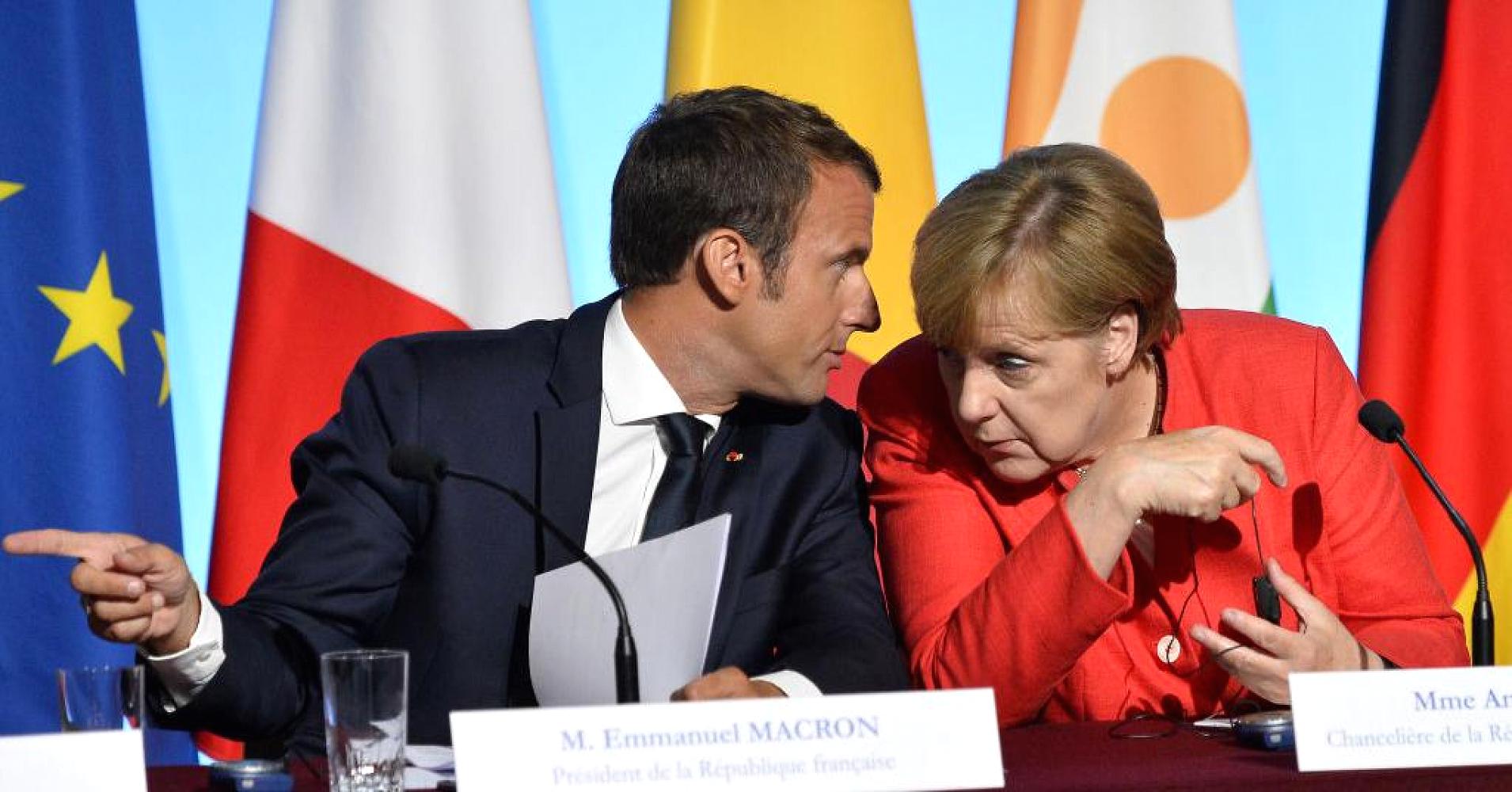
But Merkel’s poor showing may not be the only factor threatening euro zone reforms.
Macron’s centrist party also suffered a hit in France’s Senate elections Sunday, which were dominated by the country’s conservative Republican party, which many said could reflect the president’s declining popularity.
The result will likely ruin some of the president’s ambitions for extensive euro zone reforms, according to Fredrik Erixon, director of the European Centre for International Political Economy.
It revealed that we have yet to reach the “point of figuring out what type of events that France actually can stomach,” Erixon told CNBC’s “Capital Connection” on Monday.
“Germany and France are at loggerheads in terms of how far they’re going to go,” he added.
However, not all are voicing concern for the future of the EU following the weekend elections in France and Germany.
Chief Investment Officer of Credit Suisse global bank, Michael Strobaek, said he remained bullish on European markets because of their strong fundamentals in growth, earnings and valuations.
“Populism may be a force, but it’s unlikely to be a solution to the problems in Europe, and therefore it’s not really something to be played at,” Strobaek told CNBC’s “Squawk Box” on Tuesday.
“It’s very usual for a politician so long in the seat to see a little bit of loss on votes. But for Europe, Mrs. Merkel is a source of stability, she’s a force of integration,” he added.
And with the re-election of the German chancellor, both Merkel and Macron have a “golden opportunity” to build up the EU as global force of economic stability, Strobaek said.






