

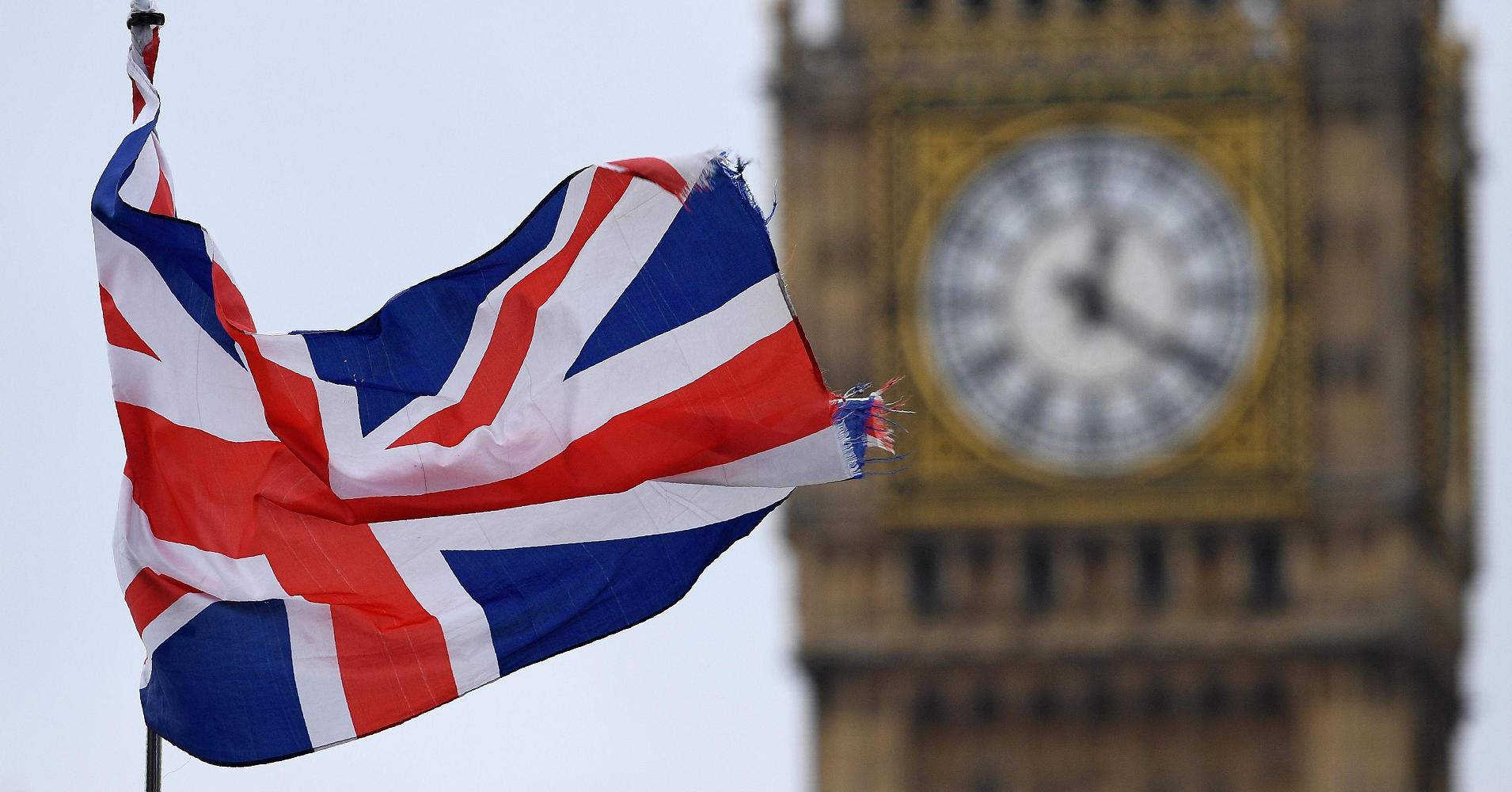
The FTSE 100 registered its biggest daily gain since April in mid-July. In May, the index broke two new highs surpassing the 7,500 mark on a weaker pound. The drop in the currency has supported British stocks, given that in most cases these companies make their profits in dollars.
As a result, U.K. stocks are mostly affected by global growth dynamics rather than by the British economy, which has been volatile due to the uncertainty surrounding its future relationship with the European Union.
The International Monetary Fund revised downwards its growth forecasts for the U.K. whereas it kept its global outlook unchanged. The IMF said Monday that the U.K. is set to grow 1.7 percent in 2017 and 1.5 percent in 2018.
Meanwhile, the global economy is seen increasing by 3.5 percent this year and by 3.6 percent in 2018.
According to Illsley, the attractiveness of U.K. equities should therefore remain intact. “In terms of valuations I can’t see the case being eroded,” he told CNBC Tuesday. “Asset classes might change, but from a valuation perspective the scenario remains the same.”
He preferred not making forecasts on a sectorial basis, given their volatility to different macro-economic scenarios, but said that stocks like the Bank of Georgia are a good opportunity. The bank is listed in the U.K. but has no exposure to the U.K. economy and is currently benefiting from a fast growing performance in the Georgian economy.