
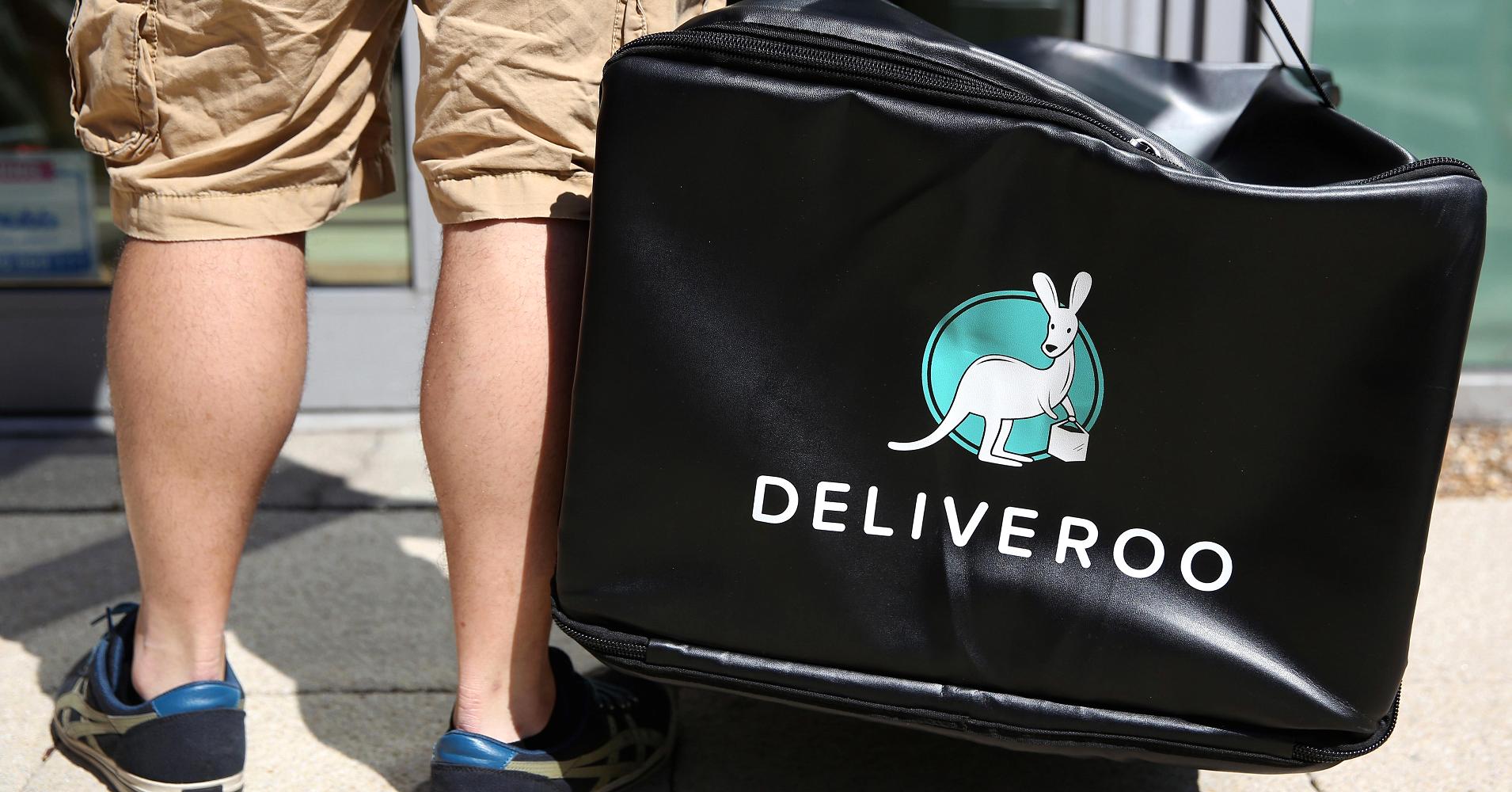
While the scale of Australia’s gig economy – a relatively recent phenomenon – is yet to be reflected in official data, an increasing number of individuals are freelancing for various digital outfits.
The Australian Industry Group, a major business lobby, said in an August 2016 report that 32 percent of the country’s workforce had freelanced between 2014 and 2015 – meaning the digital economy is already creating irrevocable changes in the country’s labor market.
In the longer term, Kariotakis is hoping to see modifications to the national benefits framework so that employers, such as Uber, are legally forced to pay pension benefits.
Such changes are already being considered in the United States and Great Britain where policymakers are looking to alter the definition of employees and contractors to reinforce workers’ rights in the modern economy.
“We’d like to have a situation where it doesn’t matter whether it’s an employee or a contractor doing the work as long as they end up getting the same benefits,” said Professor Kevin Davis, a research director at the Australian Centre for Financial Studies.
“How you do it? I’m not sure.”