

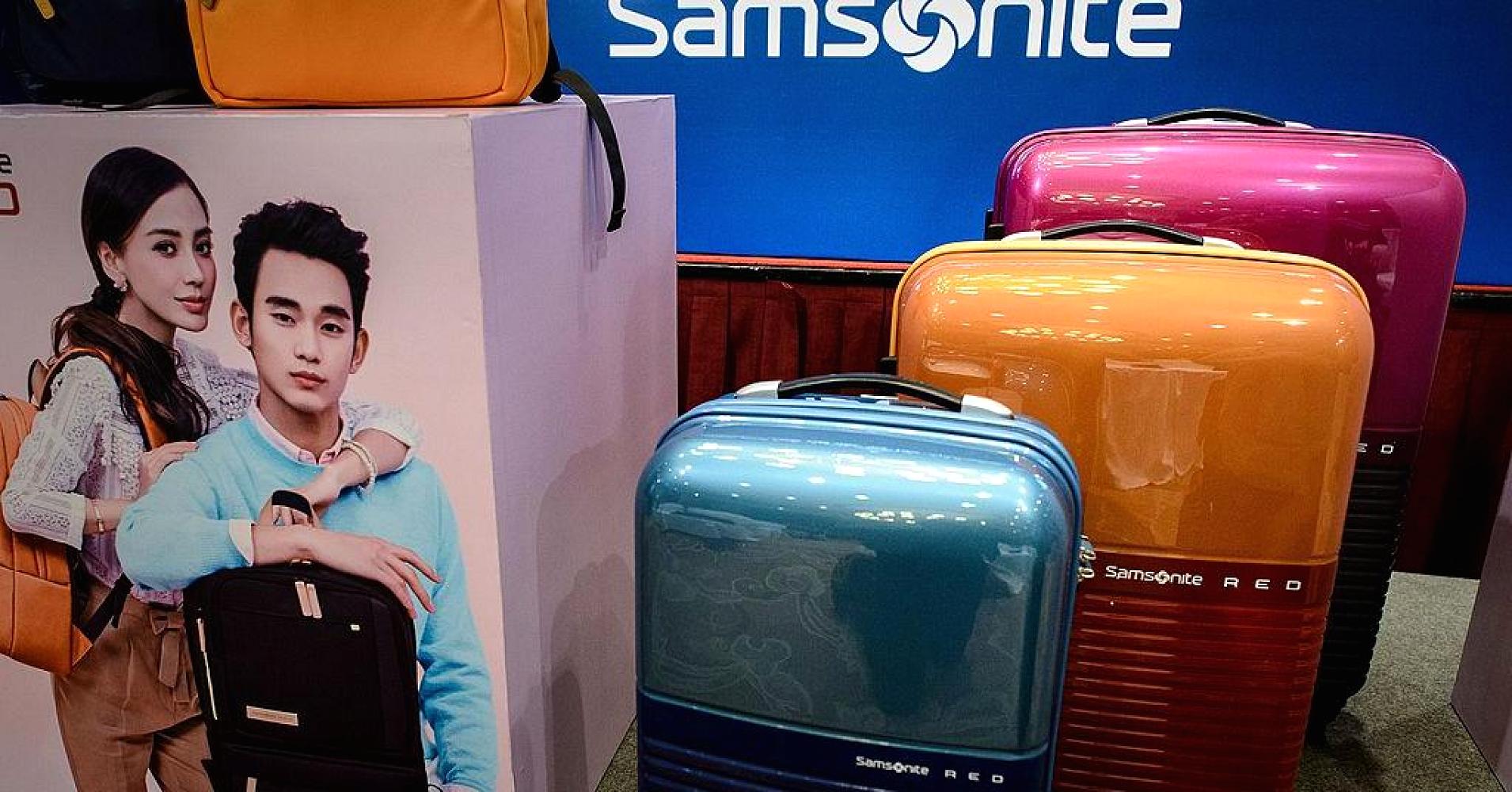
Travel luggage maker Samsonite announced full year earnings Thursday that saw a near 30 percent jump in profits, and its chairman told CNBC it was arguably the company’s best set of results since going public in 2011.
Samsonite’s profits attributable to equity holders rose by $58 million, or 29.4 percent, to $255.7 million in the year ending December 31, 2016. The company’s net sales rose 17.3 percent on a constant currency basis to $2.81 billion.
Chairman Tim Parker said on CNBC’s “Squawk Box” that the number showed a “fantastic set of results” and expressed his optimism for the next financial year.
“I think, arguably, (these are) the best results that we’ve had since the flotation of the company in 2011, helped by the Tumi acquisition of course, but I think we saw a very, very solid second-half performance,” he said.
Parker responded to the possibility of Samsonite shifting some of its manufacturing back to the United States, heeding a call from President Donald Trump for U.S. companies to return their operations stateside. He said no decision had been made on that front.
“What I can say is that the proportion of our products manufactured in Europe, in fact, is going up, which is an indication that I think we can successfully manufacture luggage in what have been traditionally higher-cost countries,” Parker said, indicating the trend would continue in the coming years with or without Trump’s policies.
Earlier this year, Samsonite’s global CEO told CNBC the company would not “hesitate to look at the possibility of manufacturing in the U.S.” Samsonite was founded in Denver, Colorado but shuttered its manufacturing plant there due to profitability issues.
In its earnings report, Samsonite said it saw an improved second half performance in China — its second largest market — an uptick in the North American business, a good year in Europe and pockets of movement in key Latin American markets.
But some key markets in Asia saw headwinds: South Korea suffered from a dent in consumer sentiment and overall economic conditions, the Indian market struggled with uncertainty surrounding demonetization in the October to December quarter and a loss of tourist throughput in Hong Kong’s predominantly retail market hurt profitability.






