

Defiant
The lead article in German news magazine Der Spiegel on Sunday urged Merkel to free herself from the “handcuffs of the migrant deal”.
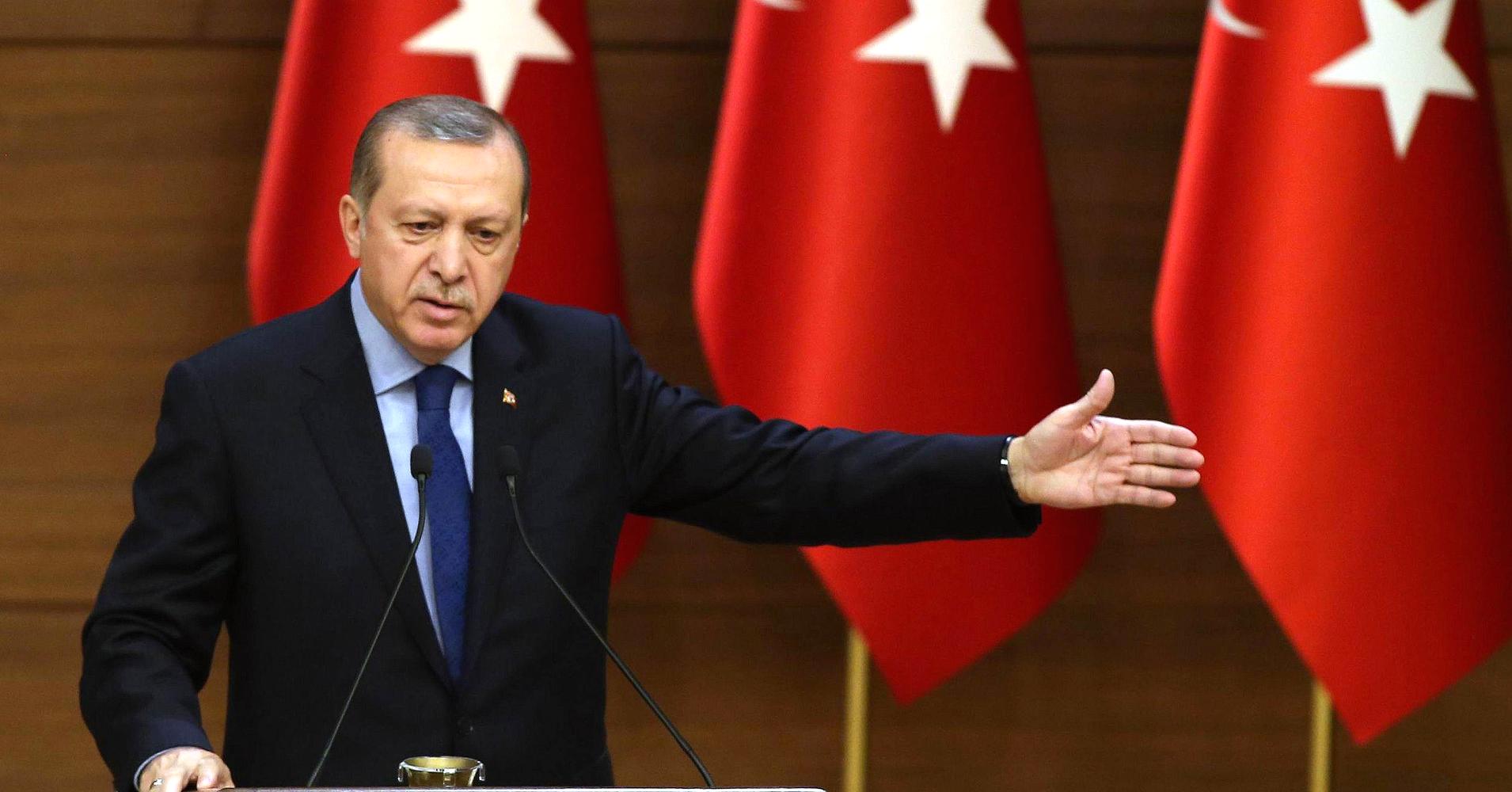
A defiant Erdogan said he could travel to Germany himself to rally support for the constitutional changes to grant him greater power.
“Germany, you have no relation whatsoever to democracy and you should know that your current actions are no different to those of the Nazi period,” Erdogan said at a rally in Istanbul.
“If I want to come to Germany, I will, and if you don’t let me in through your doors, if you don’t let me speak, then I will make the world rise to its feet,” he told a separate event.
Neither Merkel’s office nor the foreign ministry had any immediate comment.
Erdogan says he needs the proposed new powers to tackle Kurdish rebels, Islamist militants and other political enemies in a land with a history of unstable coalition governments.
Critics, meanwhile, argue that a “yes” vote in the April 16 referendum would abolish checks and balances that have already been eroded over 15 years of his rule.
Germany and other European countries have grown increasingly concerned about mass arrests and dismissals in the army, judiciary and civil service across Turkey after a failed attempt to topple the president in July.
Economic ties
The remarks by Erdogan – a man admired by many for his rhetorical flourishes – could win support among those who see Turkey threatened by militant attacks and abandoned by putative allies, but they could damage economic ties at a time when Turkey faces rising unemployment and inflation.
Ten percent of Turkish exports go to Germany, while Germany accounts for about 11 percent of Turkish imports.
The confrontation has also fanned anger across the European Union, which Turkey had aspired to join but with increasingly subdued conviction of late.
Austrian Chancellor Christian Kern called for an EU-wide ban on campaign appearances by Turkish politicians to avoid member countries such as Germany coming under pressure from Ankara.
Dutch nationalist Geert Wilders, expected to make huge gains in a March 15 election, said on Sunday that he would declare “the whole cabinet of Turkey persona non grata” and described Erdogan an “Islamo-fascist”.
Julia Kloeckner, deputy leader of Merkel’s Christian Democratic Union, told Bild newspaper: “The Nazi comparison is a new high point of intemperance.”
Andreas Scheuer, general secretary of the Bavarian CSU party, said that Erdogan’s remarks marked a new low point in ties between the two allies and demanded an apology.
“This was a monstrous gaffe by the despot of the Bosphorus,” Scheuer told the Passauer Neue Presse. “The Nazi comparison is outrageous and preposterous. An apology is in order.”






