
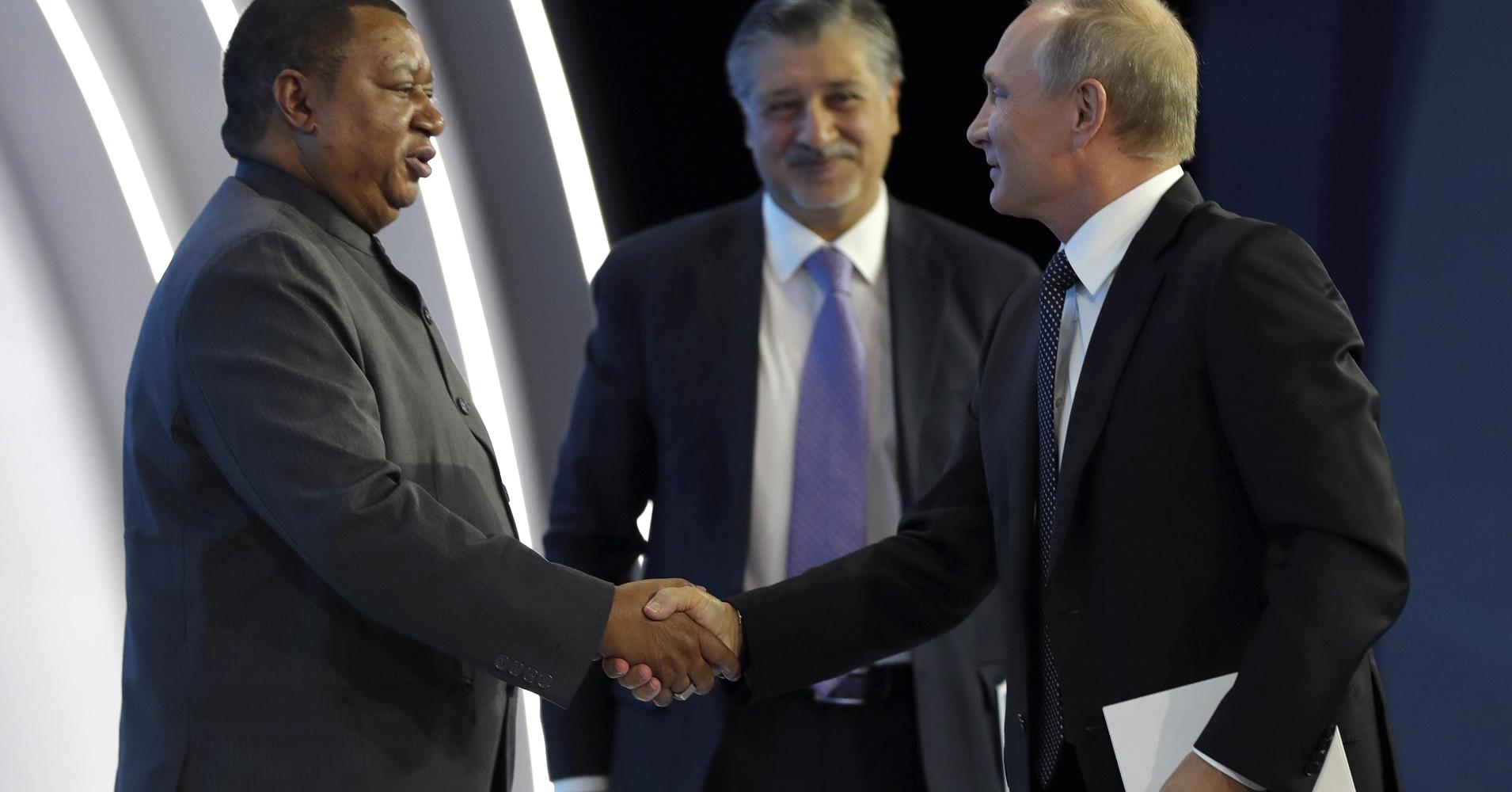
But OPEC General Secretary Mohammad Barkindo describes a larger relationship with non-OPEC producers as an “insurance policy” against future volatility and cycles. He is also reaching out to shale players, and he and OPEC oil ministers met with producers at a dinner during the CERAWeek conference for a second year in a row. He plans to do it again next year.
“It was obvious this would trigger more rapid rise of shale production,” said Alexey Texler, Russia’s First Deputy Minister of Energy, and he said the rise of more than 1 million barrels was taken into consideration when Russia entered the agreement.
Prices have recovered to above $60 per barrel after crashing down to about $30 in early 2016, and Barkindo described the agreement, which will be reviewed in June, to be “as solid as the Rock of Gibraltar.”
The deal will be reviewed again in December.
“The need to work together is obviously so needed by the market,” Texler said. “We do not have plans to join OPEC as a a member,” he added, but there is a desire to continue the relationship, and the format is being debated.
“I don’t think there’s a strong need to cement something or cast it in stone,” he said, but he thinks the alliance would help with coordinating on technology and other issues.
Texler said the goal of rebalancing the market has not yet been met, but it could come in the second half of the year, “maybe third quarter.”
“The Russians care more about volume than price, and the Saudis care more about price. … I think they appear to be working through those strains, which will show up in the June meeting,” Blanch said. “My expectation is it takes three years to unwind the deal and in those three years, Russians are the first to bring back capacity and the Saudis are the last ones to bring back capacity.”
The growth in demand, with the growth in the global economy, is also helping stabilize the market.
BP CEO Bob Dudley, also speaking at the CERAWeek conference, said the oil industry has learned to be more cost efficient and use technology and big data better as a result of the downturn.
“We just recovered from one of the most protracted downturns we ever encountered,” Dudley said.
He sees oil prices steady in a $50-$65 range for the next couple of years. Dudley said he knew of the meeting between shale companies and OPEC but that the international major was not part of it.
More from CERAWeek:
OPEC: $1 trillion lost investment sowing seeds for global energy crisis