

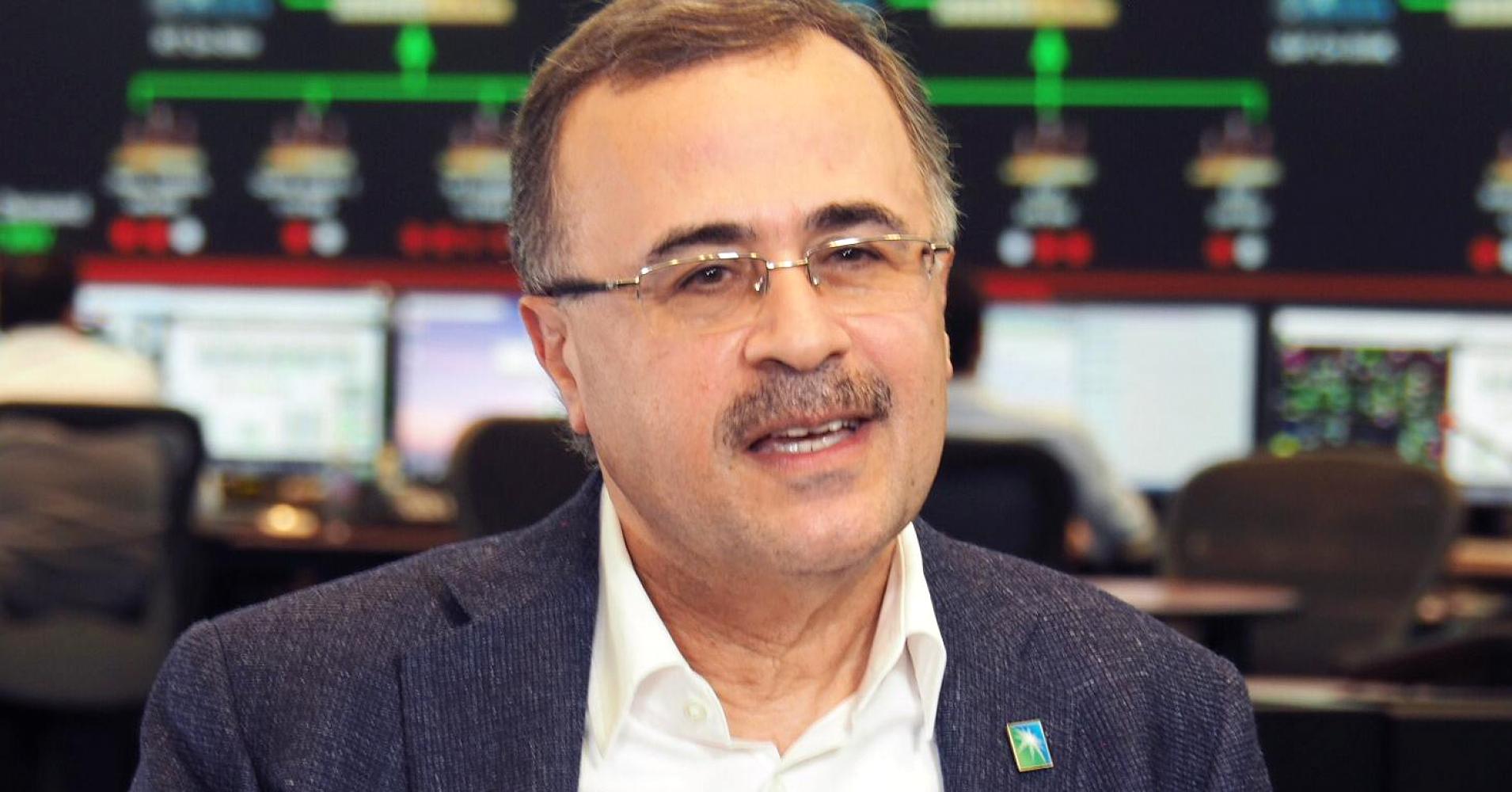
Asked whether supplies from U.S. shale fields will start crowding out Saudi crude, Nasser noted that forecasts for oil demand see the world consuming an extra 1.4 million to 1.7 million barrels a day in the coming years, fueled by strong economic growth.
“There is room to grow and shale will grow, especially with the market improving,” Nasser told CNBC on the sidelines of CERAWeek by IHS Markit in Houston. “But as I said, the demand side is healthy.”
Earlier in the day, International Energy Agency Executive Director Fatih Birol stressed during a CERAWeek press briefing that Saudi Arabia will remain the world’s largest oil exporter even after the United States starts pumping well above the kingdom’s output.
Nasser said he is not overly concerned by the growing amount of U.S. oil arriving in terminals in Asia, the world’s demand center for oil, and Europe.
“Yes, the U.S. is exporting to other markets, but we are also exporting to the U.S. So my point is there is additional supply that is coming from the U.S. Some of it is going to certain markets in Asia and Europe. However … the U.S. is a big market and we supply a significant amount of our crude to the U.S. as well,” he said.
Aramco’s growth stands to benefit Americans in several ways, according to Nasser.
The company’s Motiva refinery in Port Arthur, Texas is the largest fuel refining facility in the United States, and Aramco plans to expand employment there in the coming years. Last year, Aramco announced it would invest $30 billion in the Motiva refinery through 2023 and create as many as 12,000 jobs.
U.S.-based oilfield service companies active in the kingdom, including Schlumberger, Halliburton and General Electric’s Baker Hughes, are also seeing their fortunes rise as Saudi Arabia flourishes in the oil market, according to Nasser.
“Their business is expanding big time as we are adding more rigs and more services, as we are expanding our upstream business, especially in the gas sectors,” he said.






